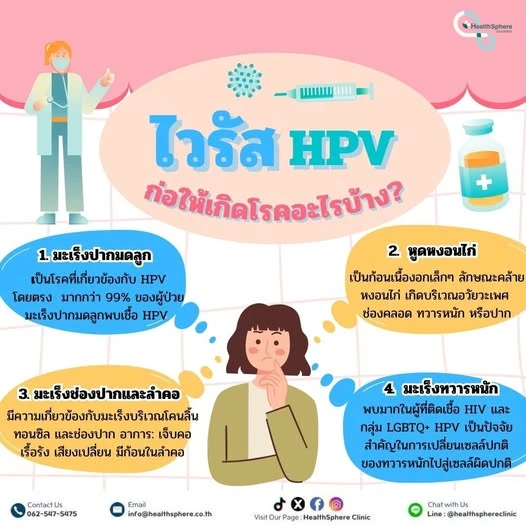
HPV is a group of viruses. Some types cause warts; persistent infection with certain high-risk types can contribute to cancer. A positive HPV result is not itself a cancer diagnosis.
HPV is associated with cervical cancer and some anal, genital and oropharyngeal cancers. Not every cancer at those sites is caused by HPV, and genital warts are not cancer.
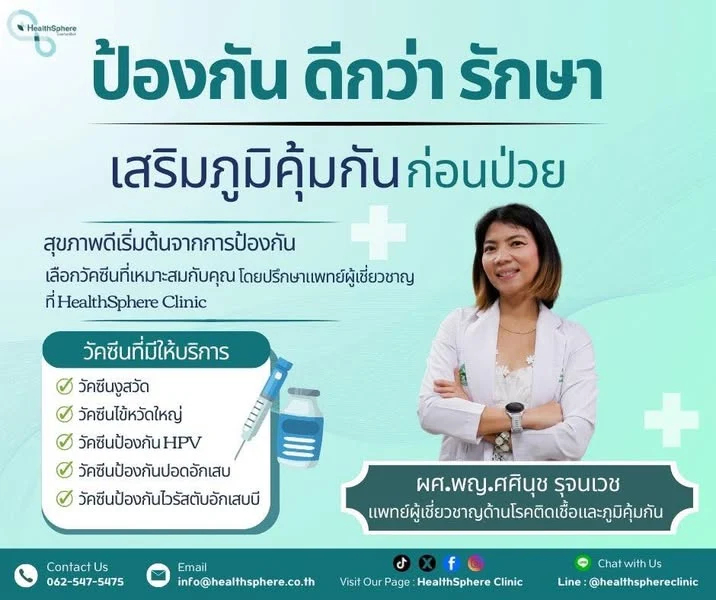
Vaccination prevents infection with covered types; it does not treat an existing infection. Benefit depends on age, previous vaccination and exposure history. Discuss the appropriate product and schedule under local guidance rather than assuming everyone needs the same series.
People with a cervix should continue recommended cervical screening after vaccination. The vaccine does not remove all risk, and screening intervals depend on age, previous results and clinical history.
Condoms reduce many sexual infection risks but do not eliminate HPV transmission from uncovered skin. Nonjudgmental discussion helps people plan vaccination and screening.
Persistent lesions, lumps or unusual bleeding need assessment, although they can have many causes. Bring previous screening and vaccination records to your appointment; do not use symptoms or a partner's results to diagnose yourself.