The clinic's office-health image highlights the challenges of desk work. Long sitting, little movement and irregular meals can make everyday self-care difficult. Start with habits you can repeat.
Build movement into task transitions: walk during a safe phone call, refill water or use stairs within your ability. Short opportunities count. A workout should not be treated as a reason to remain seated without breaks for the rest of the day.
WHO guidance for adults includes about 150–300 minutes of moderate activity per week, or an equivalent amount of vigorous activity, alongside strength work. Increase activity gradually; adapt the plan with professional advice if you have limitations.
Plan meals with suitable vegetables and protein, reduce sugary meeting drinks, and notice stress-related eating. Change posture and organise the workspace for comfort. These habits do not diagnose or treat every cause of pain.
Discuss rising waist size, blood pressure or family history with a clinician rather than choosing many tests solely because you work in an office.
Choose one realistic goal for this week and record progress. Stop activity and seek assessment for chest pain, unusual breathlessness or faintness. The aim is a workable routine suited to your health, not a rigid target for everyone.
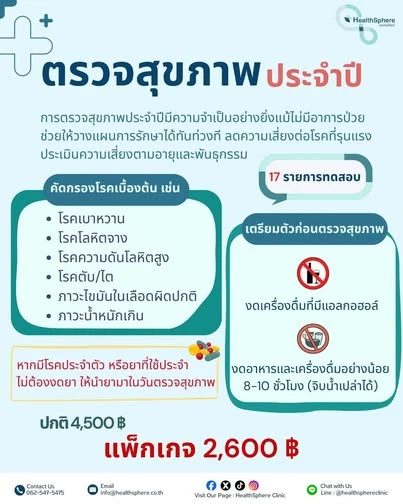
The source image includes an older promotion. Confirm current prices, test lists and terms with the clinic. This article does not confirm the offer or guarantee the outcomes described in the original advertising image.